

Why Become an Electrician in the UK?
The UK is currently suffering from a constant shortage of skilled tradesmen. This is despite the fact that new homes are being built at the rate of more than 1 million per year. This is not a positive sign for the availability of skilled workers to perform this job.
To meet this demand there are a variety of qualifications that are available to those who want to become UK electricians. The first step is to begin an apprenticeship. This is an education and training program that lasts between 3-4 years.
Qualifications
If you're considering a career in the UK being an electrician is a good option. It's a highly sought-after and lucrative career that is seeing a rising demand for qualified electricians across the nation.
There are many paths to become an electrician. This includes apprenticeships and certificates gained by working experience or taking courses. The right choice can make all the difference to your career.
An apprenticeship is the standard route to earning an electrical certification. It's a threeor 4 year program which includes classroom training for technical skills as well as vocational assessments. It's a great opportunity for you to gain valuable references from your job and also gain experience.
electricians in uk is to complete a City & Guilds level 2 or 3 Diploma in Electrical Engineering. This course will give you the skills required to work in an commercial, industrial or domestic environment as electricians.
Contrary to apprenticeships that requires you to work concurrently while you are studying for your diploma. However, you do have to attend college at least one time every week during term time.
To complete your qualification, you will also need to pass a theoretical and practical exam known as AM2 (or AM2-S). AM2 (or AM2-S). It is usually conducted on a weekend and can be scheduled by certain learning providers, but you should consult with your provider before booking in.
If you don't have access to an apprenticeship or prefer to study on your own, an alternative option is to earn an NVQ at Level 3 in Electrical Engineering. This can be completed in a local college or through distance learning.
An NVQ is a complete qualification that covers everything, from safety and health to wiring installation, inspection testing and more. It's worth mentioning that not all learning providers include the AM2 or AM2-S in the cost of the NVQ, so you should confirm the fee prior to enrolling.
electricians uk are required to perform a wide range of tasks including rewiring homes or installing new electrical equipment to working in industrial or agricultural settings. In addition, they have to be trained in safety procedures and maintain their own insurance.
Training
It's a great opportunity for you to learn new skills and be capable of working safely. It also provides you with the tools you need to find jobs in the future.
There are numerous ways to become an electrician in the UK. You can choose to pursue an apprenticeship or diploma or technical certificate course.
An apprenticeship is a popular way to enter the field and can be completed over three to four years. It is the most preferred method of gaining the necessary skills and knowledge to be a qualified electrician. It also lets you earn while you learn and is a great way to pay off the costs of your training.
A technical certificate or diploma is a longer program, however it can be completed over two years. It covers the fundamental mathematics and science needed to be an electrician. It is typically class-based or workshop-based and includes exams that are scheduled throughout the year.
It can be a difficult course to complete if you are not good at mathematics however, it is worth it to keep working at the lessons. If you're interested in the area of electricity and are willing to work hard , then you should be able to get through it.
The next step is to get a level 2 or 3 electrical installation certificate. These courses are City & Guilds approved and will provide you with the skills to do your electrical work.
These qualifications are an excellent opportunity to start your career. They can be completed in less time than an apprenticeship, but still allowing you to work full-time. They also give you the ability to work in a variety of fields.
The training to become an electrician is a great opportunity to develop new skills and explore new opportunities in the field. Most institutions of learning are flexible. This means that you can go into work and then return to your studies later.
Work Experience
You use your expertise and skills to provide light, power, and energy wherever needed. This makes your job a long-term investment and green. Electricity is a must in our homes, businesses and cars and your skills are always in demand.
The job of an electrician is to test repairs, testing, and installing equipment and wiring. It is possible to work in many industries including industrial and manufacturing sectors, telecoms, and power generation.
Your responsibilities and the type of job you have will have a major impact on your salary. You may be paid per hour, on a commission basis or as an income. The amount you earn will increase as you get experience and become a master or journeyman electrician.
The salary you get as an electrician is contingent on a myriad of factors that include your experience as well as the field you work in and the long you have been in the industry for. It is possible to earn between PS18,000 to PS42,000 per year.
Your employer should not just provide you with a decent salary but also provide safety training and a comfortable working environment. uk electrician could include a secure workplace with ventilation and a car wash in the premises, and the opportunity for you to attend industry conferences.
Employers can also assist you in obtaining your Level 3 Electrotechnical Experiential Worker Certification. This will allow you to work in this field. This can be accomplished through a college program or by registering for an apprenticeship program with an electrician business.
During your career, you'll work on various projects ranging from one-day jobs to long-term projects. These projects could be done in damp, cold or filthy environments. They also require you to work in tight spaces or at heights.
The workplace you work at will usually be located far from your home and you'll have to travel during shifts or on call. Sometimes, you'll need to travel as far as 100 miles to finish your work.
You can find more information about this field by going to the websites of local training institutions or apprenticeships boards. They will be able to tell you which qualifications are essential for the job that you want and provide more details on what you can expect during your training.
Licensing
You will need to have some prior experience and pass a few tests to become an electrician in the UK. It is crucial to determine the type of work you are interested in so that you are able to choose the most appropriate training courses.
The UK has a highly regulated electrical sector. It is essential to be familiar with licensing requirements. You will need to pass an exam to prove you have the knowledge for the job. After you've completed your course and passed the test, you can get an electrician's license. an electrician.
You'll need to locate an apprenticeship course that is endorsed by a reputable body like the National Inspection Council for Electrical Installation Contracting (NICEIC). These bodies are fantastic at helping students master all the information they need to know about the trade.
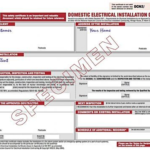
Apprenticeships generally last 3-4 years and offer the opportunity to work and study simultaneously. You'll usually be working with your tutor in the mornings and then get the chance to attend college classes at night.
During your apprenticeship, you'll also be required to pass tests to prove that you have the skills required to become an electrician. These exams are offered by the electrician's bodies and will cover topics like wiring and circuits and safety standards, electrical appliances and installation and building regulations.
After you've completed your training then you'll have the ability to go out and begin seeking jobs as electrician. You may be eligible for a full license through authorised companies.
The Office of Gas and Electricity Markets regulates the electrical industry in the UK. This agency is responsible for ensuring that all electrical installations are safe and conform with the relevant legislation. It also regulates how much electricity companies can charge for their services as well as the quality of those services.
There are distinct licensing systems for England, Wales and Scotland. The Electrical Installation Contracting Act 1989 in England requires that all electricians licensed by the government must be certified by an accredited scheme. This is known as a 'competent person' registration. It is an edict of the IET Wiring Regulations.