

Why Become an Electrician?
There is a shortage in electricians in the UK, and the demand for electricians is increasing. This is good news for those looking to make a career in this field.
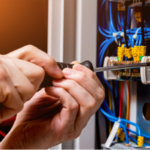
You must complete an apprenticeship or an appropriate qualification to become an electrician. There are numerous routes to become an electrician.
Qualifications
An electrician is a good job choice if looking for a job that requires a lot of hands-on work. They are highly sought-after and constitute one of the most lucrative trade jobs in the UK with an average annual salary of PS33.495
They work on a variety of projects and are often in need of clients. They may also decide to specialize in a particular area of their trade such as machine repair, or a specific industry, such as automotive or agriculture.
There are a variety of ways to become an electrical contractor in the UK. These schools offer professional certificates and a rigorous education in the field of electrical engineering.
This course is targeted at those aged between 16 and 18 and typically taught through colleges and is funded by the government, however it is also possible to do through private companies as well. This qualification includes all of the necessary skills and theoretical knowledge needed to be an electrician who is fully certified.
If you pass this course successfully after which you'll be awarded the City and Guilds 2365 certificate that is valid for three years. This diploma level 2 in electrical installations covers core science and math as well as practical tasks, exams and exam.
The course is taught in a classroom setting and in workshops and involves completing assignments as part of your studies. You will need to pass the AM1 workshop-based test before you are able to graduate.
After electricians in uk 've completed this course and passed the exam, you are able to go on to do an apprenticeship. An apprenticeship is when you work alongside a training provider or employer to learn the theoretical and technical abilities needed to become an electrician with a degree.
When you've completed your training and completed your apprenticeship, you can either take an employment as a full-time electrician or start your own business. You'll have more flexibility, freedom and greater growth opportunities when you begin your own business.
If you're a certified electrician, you can also join the Register of Registered Competent Persons and sign off your work to ensure that it is compliant with Building Regulations. You can also apply to become a Qualified Supervisor in your business.
Experience
Electricians are employed in a wide range of environments. They can fix problems for companies and consumers, and they can also install new electrical equipment. They can also maintain power grids and bespoke machinery, making them extremely flexible.
If you're interested in becoming an electrician, you must first study the various qualifications and the training required to be able to become a qualified electrician. These courses could be short, lasting 12-18 months, or longer, requiring three years of instruction and hands-on experience.
Generally, it's best to enroll in a program that includes practical installation skills as well as electrical diagrams, health and safety. This will ensure that you're knowledgeable and can resolve any issues swiftly.
An apprenticeship is a great opportunity to learn a trade and make money. This will give you the knowledge and confidence to make an informed decision regarding whether this is the best career choice for you.
This field is attractive to certain people due to its demanding nature. This is a highly skilled occupation and requires an enormous amount of attention to the smallest of details.
It's a rewarding profession. There aren't any days that are the same, and you will be constantly learning and improving your skills. This can be very beneficial to your overall health and well-being as it boosts your "Neuroplasticity", which is the brain's capability to grow and change.
In addition, the demand for electricians is high across the UK, meaning there are always jobs available for them. This makes it a great career choice for those looking to change careers and pursue new opportunities. You can earn as high as PS18,000-PS40,000 based on your qualifications and experience.
Safety
Working with electricity can be hazardous, however electricians in the United Kingdom take many precautions to ensure their work is safe. This includes training as well as risk assessments and compliance with the regulations.
The main legal framework for workplace electrical safety is the 1989 Electrical Safety Regulations. They cover everything from how to maintain electrical equipment safe to responsibility of all employees on a site including contractors and visitors.
It's important to follow these guidelines, which can help to reduce the number of accidents in the workplace and the severity of any injuries. However, it's essential to keep in mind that there are other factors that can be involved in these incidents.
Electrical devices, such as are susceptible to developing faults that aren't obvious. Therefore, it's important to regularly check and testing of equipment. This can be done with an Electrical Installation Condition Report (EICR) created by a licensed electrician.
This document is required to be kept by employers. it must cover all potential dangers and indicate the extent to which repairs or replacements are needed. It should also include how often these inspections and tests were conducted.
Employers should also have a safety and health policy. It should include a thorough outline of how they will protect their staff and any members of the public who visit the site.
Employers must implement an extensive policy for electrical safety. They must also ensure that employees are competent and skilled to perform their electrical work. The Electricity at Work Act 1989 sets out what qualifications and experience a person should have to undertake their work safely.
It is also recommended that individuals working alone be monitored. electricians in uk should be provided with an easy method of checking in at the pre-determined times and help alerts triggered in the event they are unable to do it themselves.
uk electricians are also required to have the electrical installations in their properties inspected every 5 years and tested by a qualified person. This is a requirement of the new Electrical Safety Standards in Private Rented Sector (England), Regulations 2020, which came into effect on June 1, 2020.
Regulations
There are certain rules that must be adhered to by electricians from the UK when they work in homes or commercial establishments. This is because of the safety aspect.
There are two major kinds of regulation that impact electricians in the UK: Industry standards and the legal structure. Industry standards are voluntary codes that govern the industry and are approved by a national authority. They are designed to simplify the industry's terminology and procedures. While they are not legally binding as such but they are often incorporated into contracts as a standard of work to be performed by the contracting party.
Part P of the Building Regulations covers electrical installations in homes and outbuildings across England and Wales. The regulations include safety standards and specific criteria like the capacity of circuit breakers and fuse, and locations that are designated (such bathrooms and medical facilities).
These regulations are often referred to the "big book" due to their large size. They are regularly updated. The 18th edition came out on January 1, 2019.
The most important aspect of this is the wiring regulations that regulate the wiring of domestic and commercial homes. It is essential that all electricians in the UK be aware of them and have a clear understanding of them prior to beginning any wiring works.
These regulations should be followed. In general nobody should be allowed to begin wiring your property if they don't comply. They will not have the knowledge or equipment to ensure the wiring is secure.
Additionally, an electrician who fails to comply with the regulations cannot use the licensed mark' of a certified individual. The mark is only available to those who are registered with an independent certification scheme, such as the NICEIC.
The NICEIC is a non-profit organisation that regulates electricians across country. In addition to the registration of electricians, they check the quality of their work and regularly conduct inspections to ensure that electricians are complying with these regulations.